How to Choose the Right Dune Buggy for Your Dubai Desert Adventure
Understanding What You Need from a Dune Buggy
Dubai's desert landscape is unlike any other. The dunes shift constantly, the sand can be soft or hard-packed, and the terrain varies from gentle slopes to steep, dramatic bowls. Picking the right dune buggy for this environment means matching the vehicle to your skill level, the type of experience you want, and the practical realities of driving in sand. A buggy that works well on a flat coastal track might struggle in deep, loose dunes. So before you look at any specific model, think about what kind of driving you expect to do.
The first decision is whether you want a guided tour or a self-drive rental. Guided tours typically provide the buggy and a leader who knows the desert. Self-drive rentals give you more freedom but require you to understand the vehicle's limits and the terrain. If you are new to dune driving, a guided option is often the safer choice. If you have experience, a self-drive rental lets you explore at your own pace.
Step 1: Check the Buggy's Engine and Power
The engine is the heart of any dune buggy. For Dubai's sand, you generally want a buggy with a sufficiently powerful engine. Smaller engines, around 500cc to 800cc, can handle light dunes and flat stretches. But if you plan to climb steep dunes or ride through deep, soft sand, look for something in the 1000cc to 1300cc range. More power helps you maintain momentum, which is critical when the sand tries to slow you down.
Watch out for buggies that feel underpowered. A buggy that struggles to climb a dune on a test run will only get worse as the sand heats up or if you carry a passenger. Ask about the engine's maintenance history. A well-maintained engine will run smoothly and start easily. If the buggy coughs or stalls during a pre-ride check, that is a red flag.
Step 2: Inspect the Suspension and Tyres
Dune driving puts a lot of stress on a buggy's suspension. The repeated impact of landing after a dune crest, the constant side-to-side motion on uneven sand, and the occasional hard hit from a hidden rock all demand a robust suspension system. Look for a buggy with long-travel suspension, preferably with adjustable dampers. This allows you to tune the ride for comfort or for more aggressive handling.
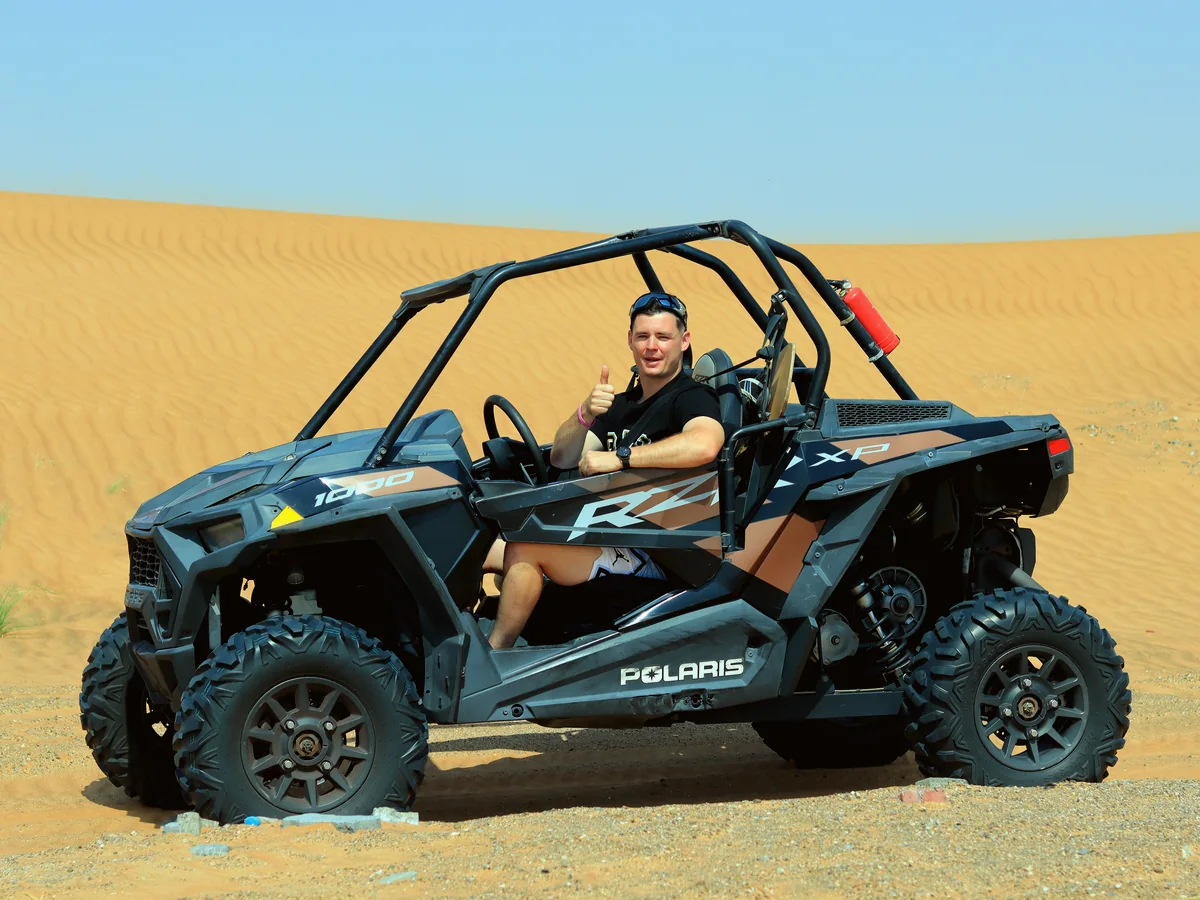
Tyres are equally important. Standard road tyres will not work in sand. You need wide, low-pressure sand tyres with a tread pattern designed to grip loose surfaces. Check the tyre pressure before you ride. Lower pressure increases the tyre's footprint, helping the buggy float on top of the sand rather than dig in. But too low a pressure can cause the tyre to spin on the rim or get damaged. A good operator will have the right pressure set for the conditions.
Step 3: Evaluate Safety Features and Seating
Safety should never be an afterthought. A proper dune buggy for Dubai's desert should have a strong roll cage, a harness system (preferably a four-point or five-point harness), and a kill switch or engine shut-off that is easy to reach. The roll cage protects you if the buggy tips, which can happen on steep dunes. The harness keeps you in your seat. The kill switch lets you stop the engine immediately in an emergency.
Seating matters too. A two-seater buggy is common, but some models offer a single seat or a larger four-seater. Think about who you are riding with. A passenger adds weight, which affects performance. If you are riding with someone heavy, factor that into your power and suspension choices. Also check that the seat is comfortable for a longer ride. A hard, poorly padded seat can make a two-hour tour feel miserable.
Step 4: Consider the Buggy's Weight and Size
Heavier buggies have more momentum, which can help them power through soft sand. But they also sink more easily and require more power to climb dunes. Lighter buggies are more agile and can navigate tighter spaces, but they may lack the stability needed for high-speed runs over bumpy terrain. The sweet spot is a buggy that feels solid without being a burden.
Size also affects how the buggy handles. A longer wheelbase provides more stability at speed, while a shorter wheelbase makes the buggy more maneuverable in tight turns. Think about the type of dune riding you prefer. If you like fast, sweeping runs across open dunes, a longer buggy is better. If you want to carve between tight dunes and do quick direction changes, a shorter buggy might suit you more.
Step 5: Test the Controls and Visibility
Before you commit to a rental or purchase, spend time in the driver's seat. Check that the steering is responsive without being too twitchy. The pedals should be easy to reach and operate, especially if you are wearing boots. The gear shifter, if manual, should move smoothly through the gears. Some buggies use a steering wheel, others a yoke or a joystick. Choose what feels natural to you.
Visibility is critical in the desert. You need to see the dune ahead, the side slopes, and any obstacles like rocks or vegetation. A buggy with a high seating position gives you a better view of the terrain. Also check that the windscreen, if fitted, is not cracked or clouded, and that the mirrors are positioned so you can see behind without straining.
Step 6: Look at the Rental or Tour Operator's Reputation
The quality of the buggy often reflects the quality of the operator. A reputable company maintains its fleet regularly and uses modern, well-equipped vehicles. When you are choosing a dune buggy for your Dubai trip, it is worth checking what other riders have said about the operator's equipment. Consistent complaints about breakdowns, dirty vehicles, or poor safety gear are signs to look elsewhere.

For a reliable starting point, you can visit the Buggy Ride Dubai official site to see what models they offer and what their fleet looks like. Even if you end up booking elsewhere, seeing a professional operation gives you a benchmark for what to expect. A good operator will also provide a thorough safety briefing and let you test the buggy before heading into the deep dunes.
Step 7: Understand the Terrain You Will Ride
Not all Dubai dunes are the same. The dunes near Al Awir or the Fossil Rock area are different from those in the Liwa Desert or the more touristy zones. Some areas have fine, powdery sand that feels like talcum powder; others have coarser, heavier sand. The buggy that handles one type well might struggle in another. Ask the operator what kind of terrain the tour covers. If they mention steep, tall dunes, you need a buggy with ample power and good suspension. If the tour is mostly flat or rolling dunes, a lighter buggy might be perfectly fine.
Also consider the time of year. Summer sand is often softer and hotter, which affects both the buggy's performance and your comfort. Winter sand can be more compact and easier to drive on. A buggy that works well in winter might feel sluggish in summer if the sand is deeper and looser.
Step 8: Decide Between a New and a Used Buggy
If you are buying a dune buggy rather than renting, the decision between new and used is important. A new buggy gives you the latest features, a warranty, and no hidden wear. But it also costs more. A used buggy can be a good value if it has been well maintained. Look for signs of excessive wear: rust on the frame, cracked welds, worn tyres, or a noisy engine. Ask for maintenance records if possible.
For a rental or tour, the operator typically provides the buggy, so the age matters less than the condition. A well-maintained older buggy can be more reliable than a neglected new one. Pay attention to how the operator treats their equipment. If the buggies are clean and the staff check them between rides, that is a good sign.
Step 9: Think About Your Own Experience Level
Your skill as a driver should guide your choice. A beginner should start with a buggy that is forgiving: not too powerful, with good stability and easy controls. A high-horsepower buggy can be intimidating and dangerous if you are not used to the way sand shifts under the wheels. Experienced riders can handle more power and a more aggressive setup, and they may prefer a buggy that offers more responsiveness and speed.
If you are a group with mixed skill levels, look for an operator that can match buggies to each person's ability. Some operators offer a range of buggies, from entry-level to high-performance, so everyone can ride at their comfort level. This makes the experience more enjoyable for everyone.
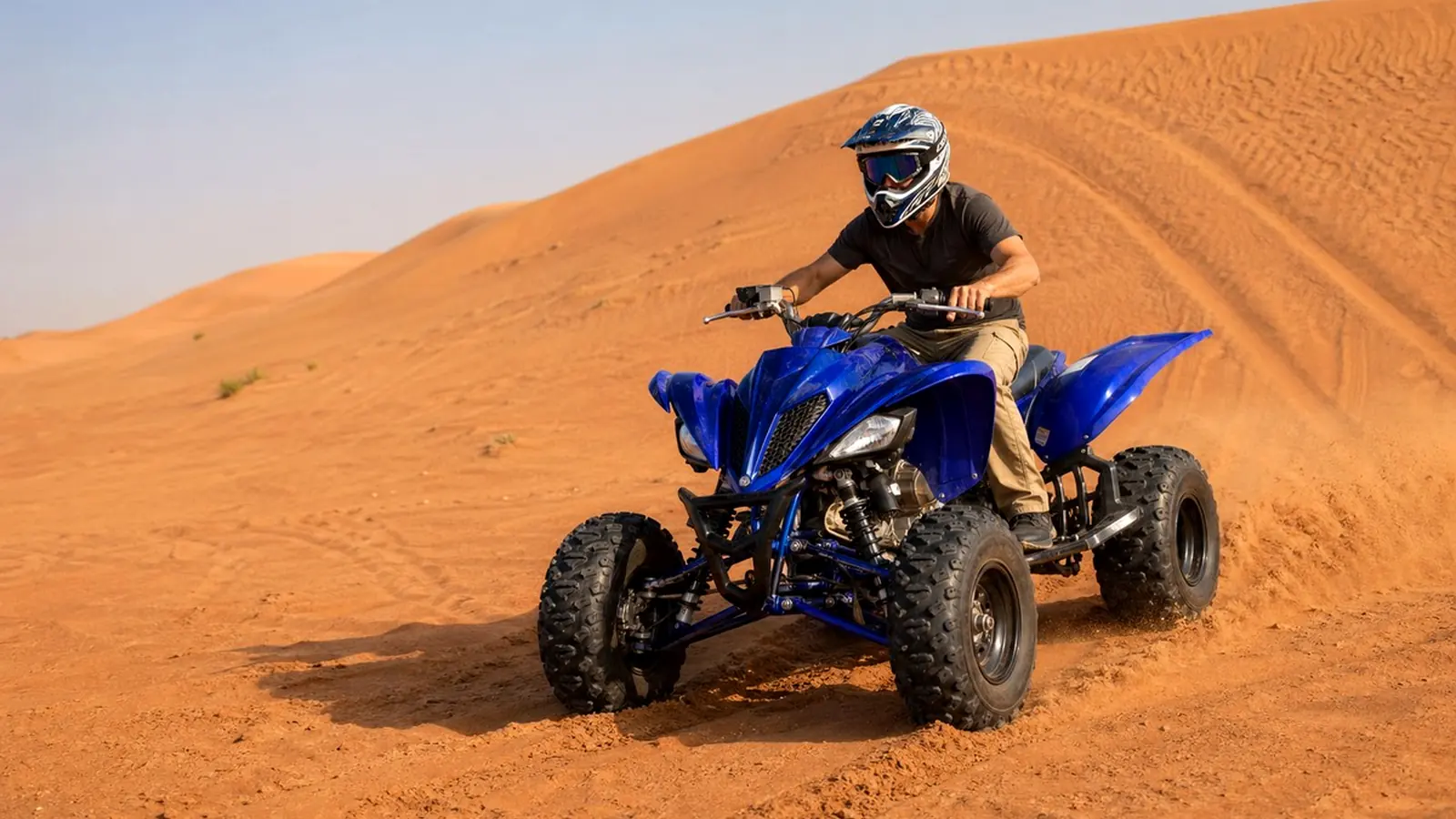
Step 10: Plan for Comfort and Convenience
Finally, think about the practical details. How long will you be riding? A two-hour tour is very different from a full-day expedition. For longer rides, look for a buggy with comfortable seats, good ventilation, and maybe a storage compartment for water and snacks. Sun protection is also important: a buggy with a canopy or a roof can make a big difference in the midday heat.
Also consider how easy it is to get in and out of the buggy. Some models have high sides that can be awkward to climb over, especially if you have limited mobility. A step or a lower entry point can make a big difference. If you plan to take photos, a buggy with a stable platform and minimal vibration helps you get clear shots without stopping.
For a final check, revisit the Buggy Ride Dubai official site to see the latest models and options they offer. Even if you are not booking through them, their fleet gives you a sense of what a well-prepared operator provides. A good dune buggy should feel like an extension of your body as you ride the dunes: responsive, comfortable, and reliable. Take your time to choose wisely, and the desert will reward you with an unforgettable experience.
 Facebook
 Instagram
 YouTube